Dance fitness is a workout blending dance moves with fitness elements. To be perfectly clear though, you will not learn to hula, salsa, or merengue in a dance fitness class. Dance moves are used to link fitness elements and increase our flexibility through rhythmic movement.
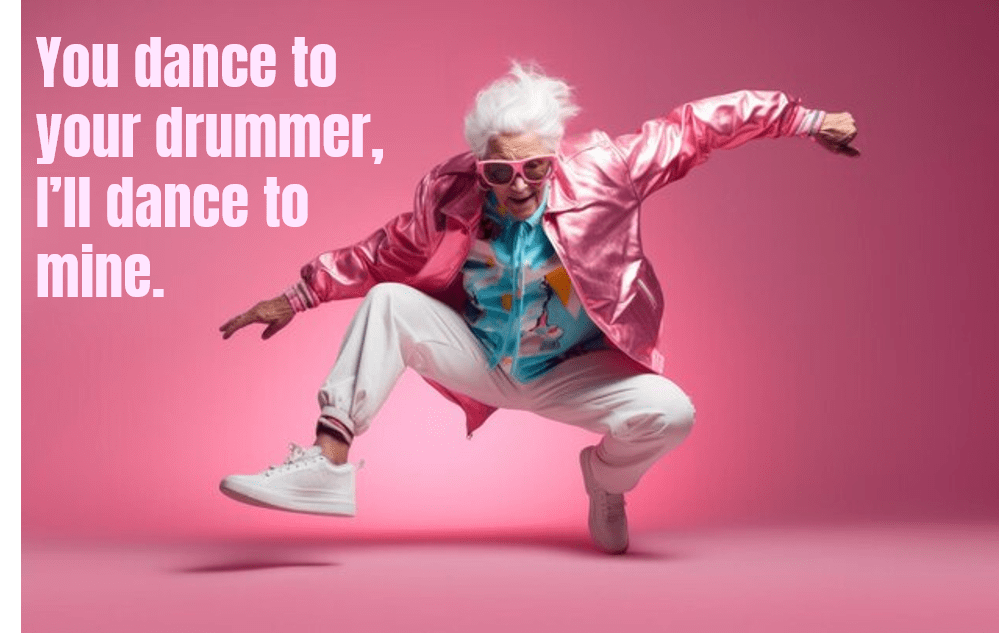
Why do people love to dance? There’s something enjoyable about listening to music and moving your body to the beat. So, while everyone can recognize rhythm, that rhythm or beat may not be interpreted the same by every brain. You have heard of marching to the beat of a different drum, well at Kiwa, everyone can dance to the beat they hear.
There are 3 basic types of dance fitness classes: (1) The traditional high-impact, high energy cardio fitness class, (2) the ballet-inspired dance fitness class with the emphasis on strength and coordination, and (3) mind-and-body dance fitness with the emphasis on breathing and focusing.

Kiwa’s dance fitness classes are a full body workout. Engaging the core improves balance. Rhythmic movement improves coordination. It is an aerobic workout so you improve your cardiorespiratory fitness. By including high-intensity intervals, you tone and build muscle strength. Moving to music stimulates the motor and sensory circuits in the brain. Movements are constantly being switched up (i.e. no muscle monotony), so you can exercise longer as no muscle group is being worked to exhaustion.
Adult Fitness

There has always been a missing link in the fitness world, options for the active older adult, especially older women. Science allows us to live longer, but it’s up to us to add quality to that life. Quality of life is subjective; for me, I will look back and consider “my good life” as living independently and being socially active for as long as possible. To have this good life and live long enough to see my grandchildren become adults, I need to stay active and fit through exercise.
In addition to adding quality to my life, exercise will allow me to take charge of my own healthcare and reduce my reliance on public healthcare as I grow older. Even the International Council on Active Aging (ICAA) acknowledges that the most significant trend in older adult fitness is the concept of exercise as a disease solution.
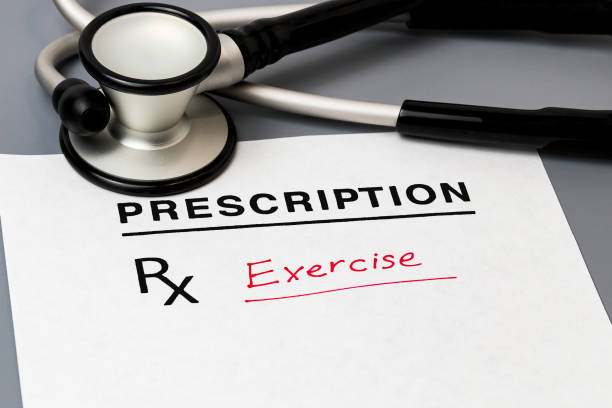
Harvard Medical School has said that dance fitness adds quality to life, aids in the prevention and management of chronic disease, reduces the risk of dementia, improves mood, and creates neuropathways to compensate for motor deficits.
As baby boomers we are fitter and more educated about our own health than any generation before us. We can no longer be sent to therapeutic classes designed for the barely active. We are already active, we have grown up playing sports and participated in group fitness classes from the beginning. We want the same things as we did when we were younger, even if our bodies won’t allows us to do it the way we used to. We want classes that take our limitations into consideration and instructors who are trained and educated to teach us.
We want to WORKOUT. We want FUN. We want to DANCE.
Updated: January 2026
 KIWA dance fitness